
BMW i3
Vehicle description
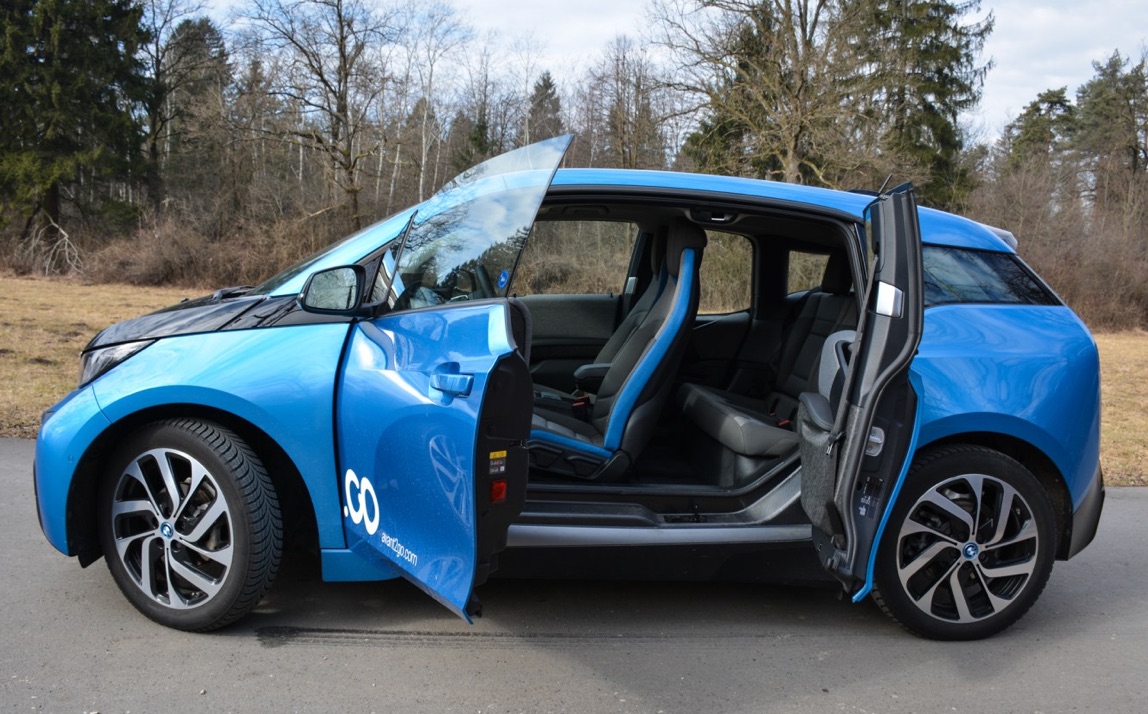
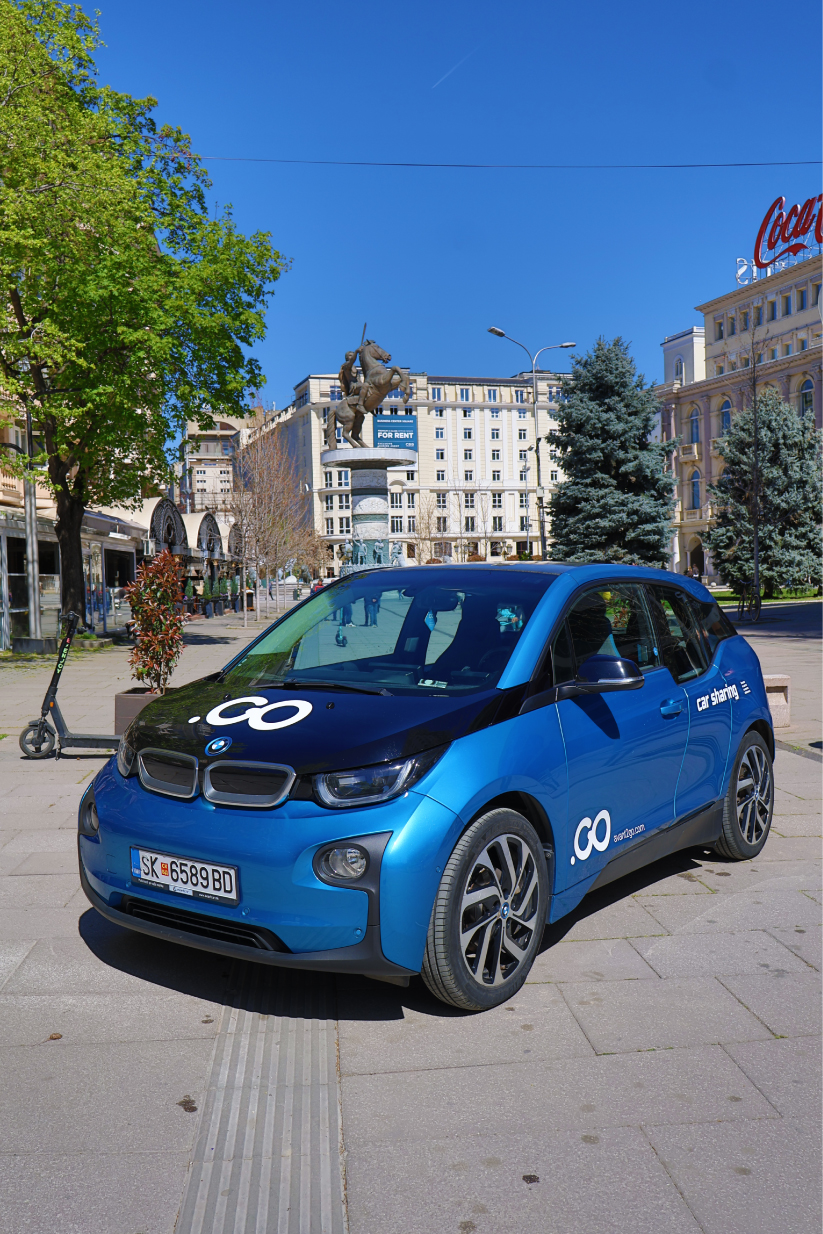
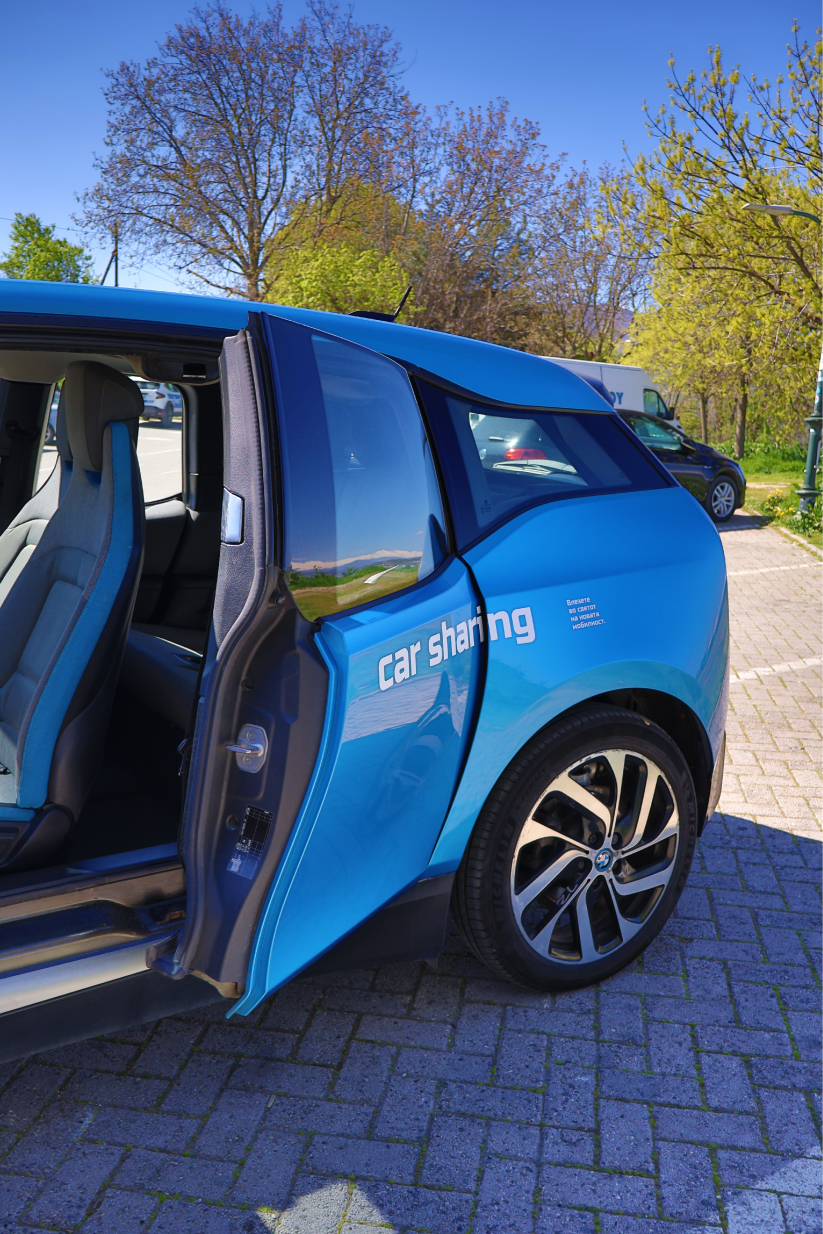
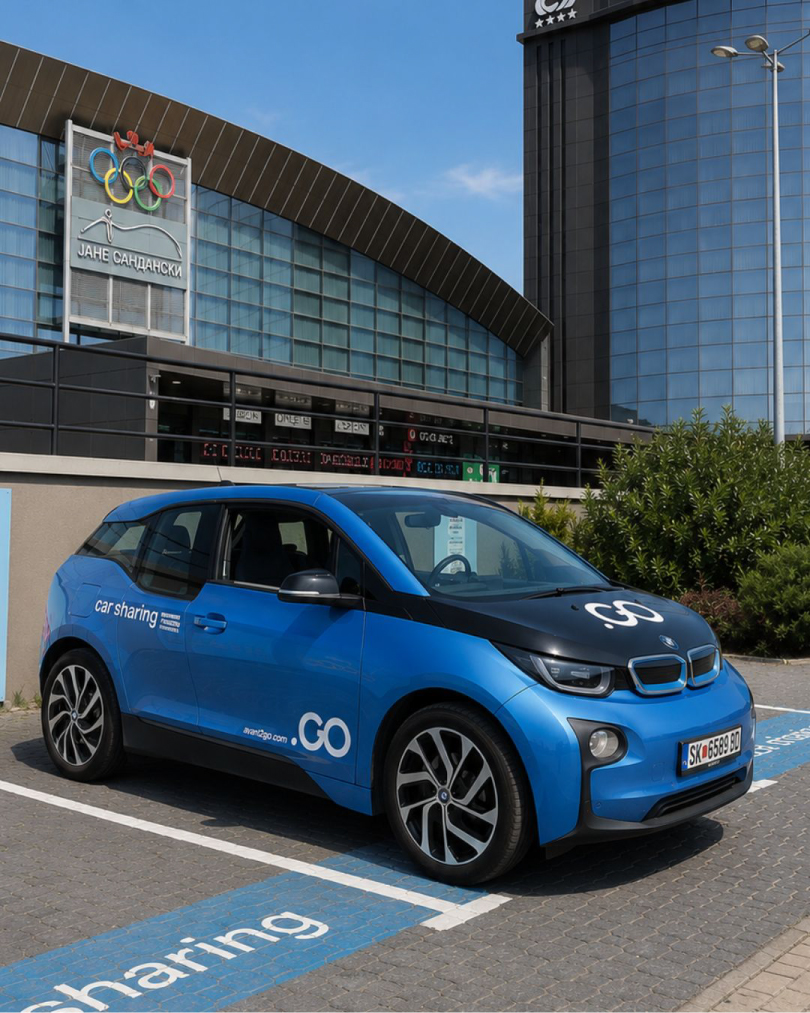
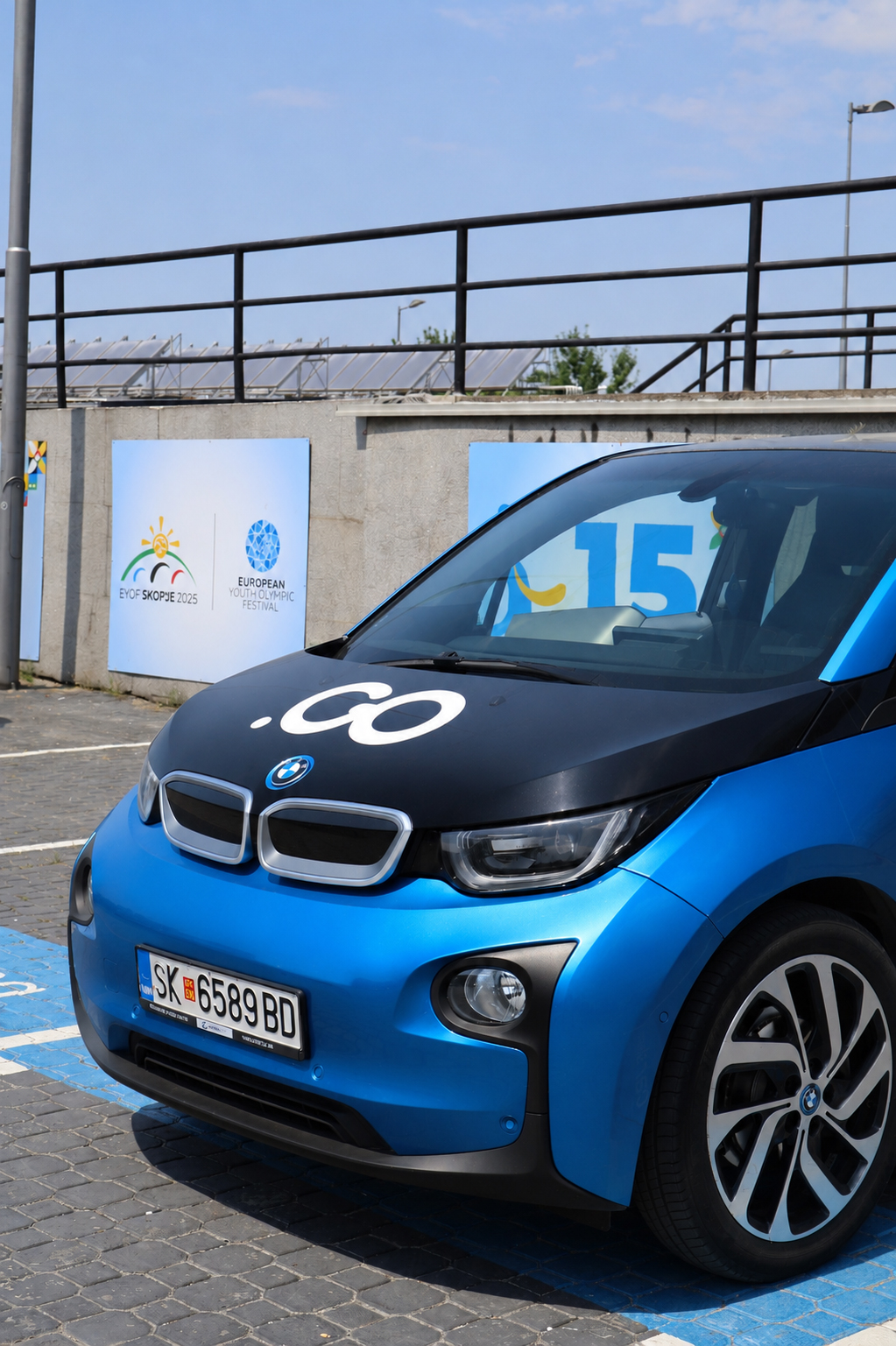
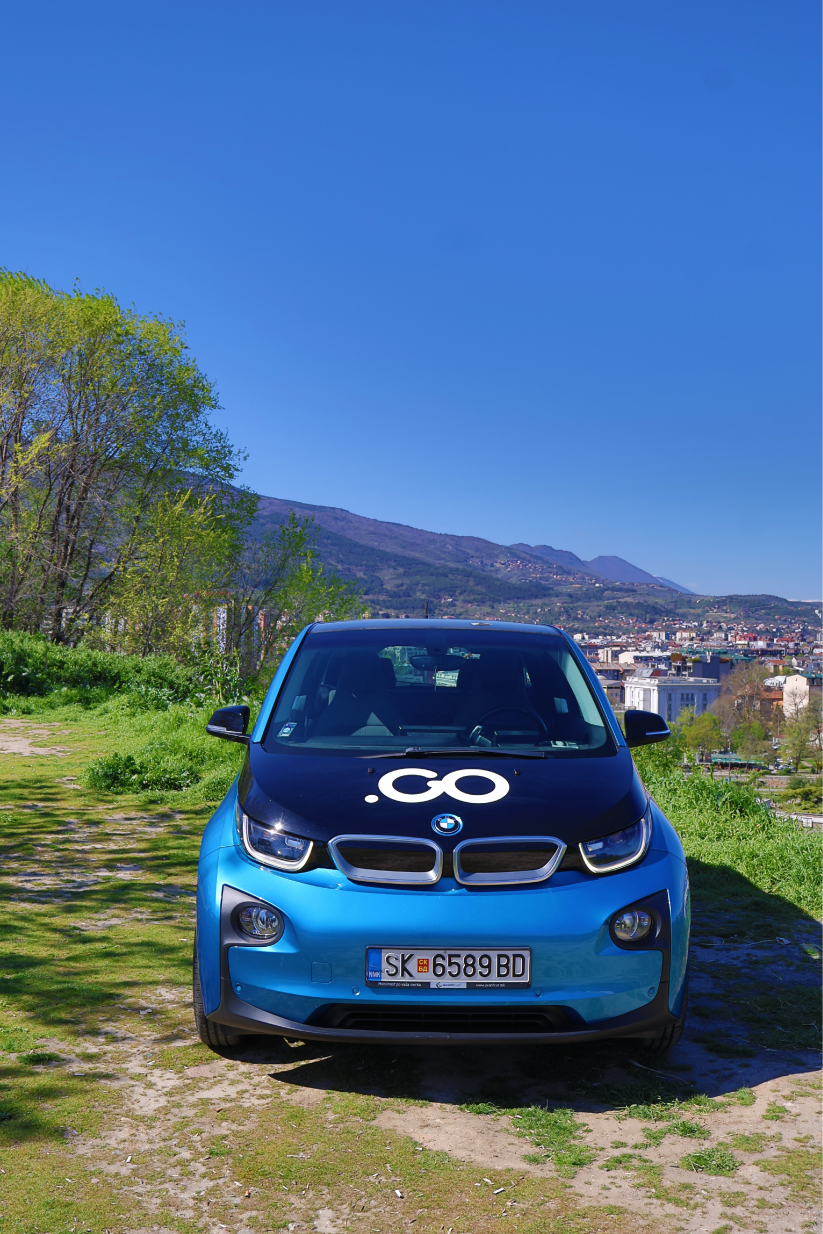
The BMW i3 delivers genuinely sporty performance, accelerating from 0 to 100 km/h in 7.3 seconds while retaining BMW’s signature driving pleasure. It was the first mass-produced vehicle with a body made from carbon fibre, and every stage of its development was designed with environmental responsibility in mind.
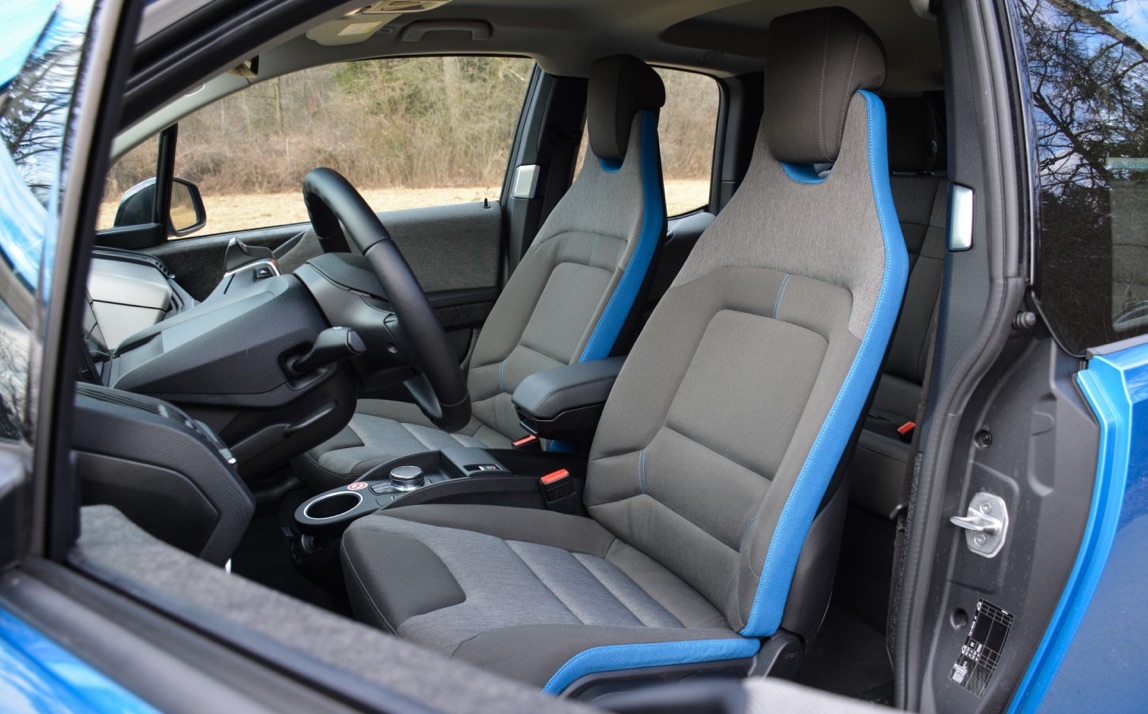
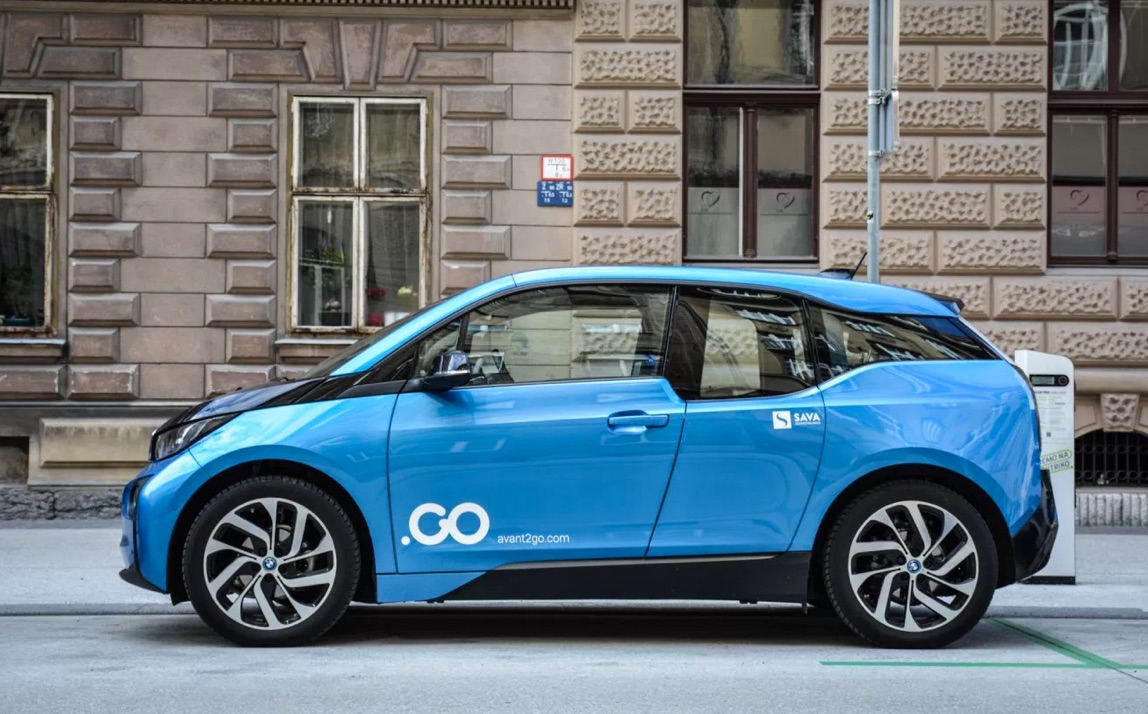
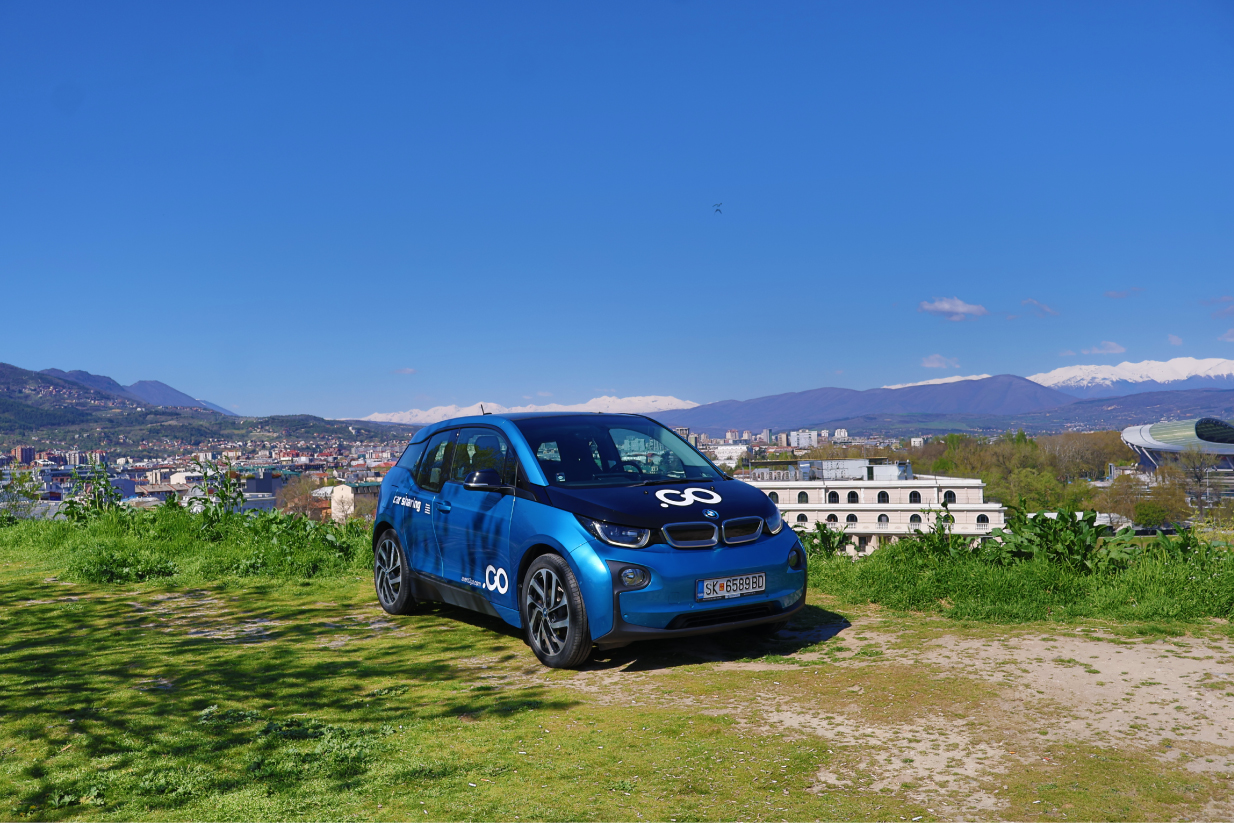
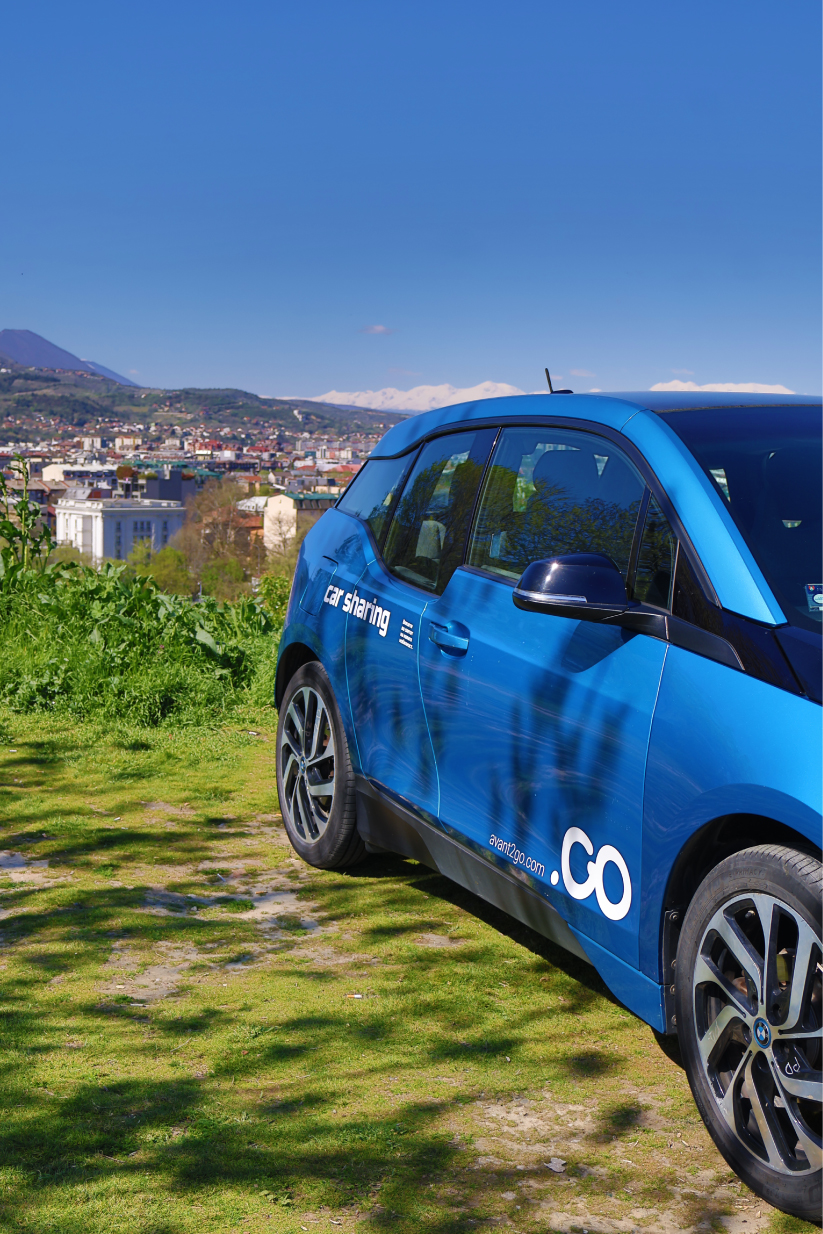
Its futuristic design leaves no one indifferent and clearly reflects BMW’s vision of always staying one step ahead. Designed primarily for urban environments, the BMW i3 offers exceptionally comfortable, quiet and dynamic city driving.
The Avant2Go car-sharing fleet includes the version with a 33.2 kWh battery, which provides a range of up to 250 km on a single charge under ideal conditions.
Technical details
| Maximum speed: | 150 km/h |
| Acceleration (0–100 km/h): | 7.3 s |
| Range: | up to 310 km |
| Maximum power: | 125 kW / 170 hp |
| Battery type: | Lithium-ion, 42.2 kWh |
| Charging time (11 kW AC): | approximately 3 hours 45 minutes (0–100%) |
| Charging time (max. 50 kW DC): | approximately 42 minutes (up to 80%) |
| Length: | 4,01 m |
| Width: | 1,78 m |
| Height: | 1,60 m |
Image gallery
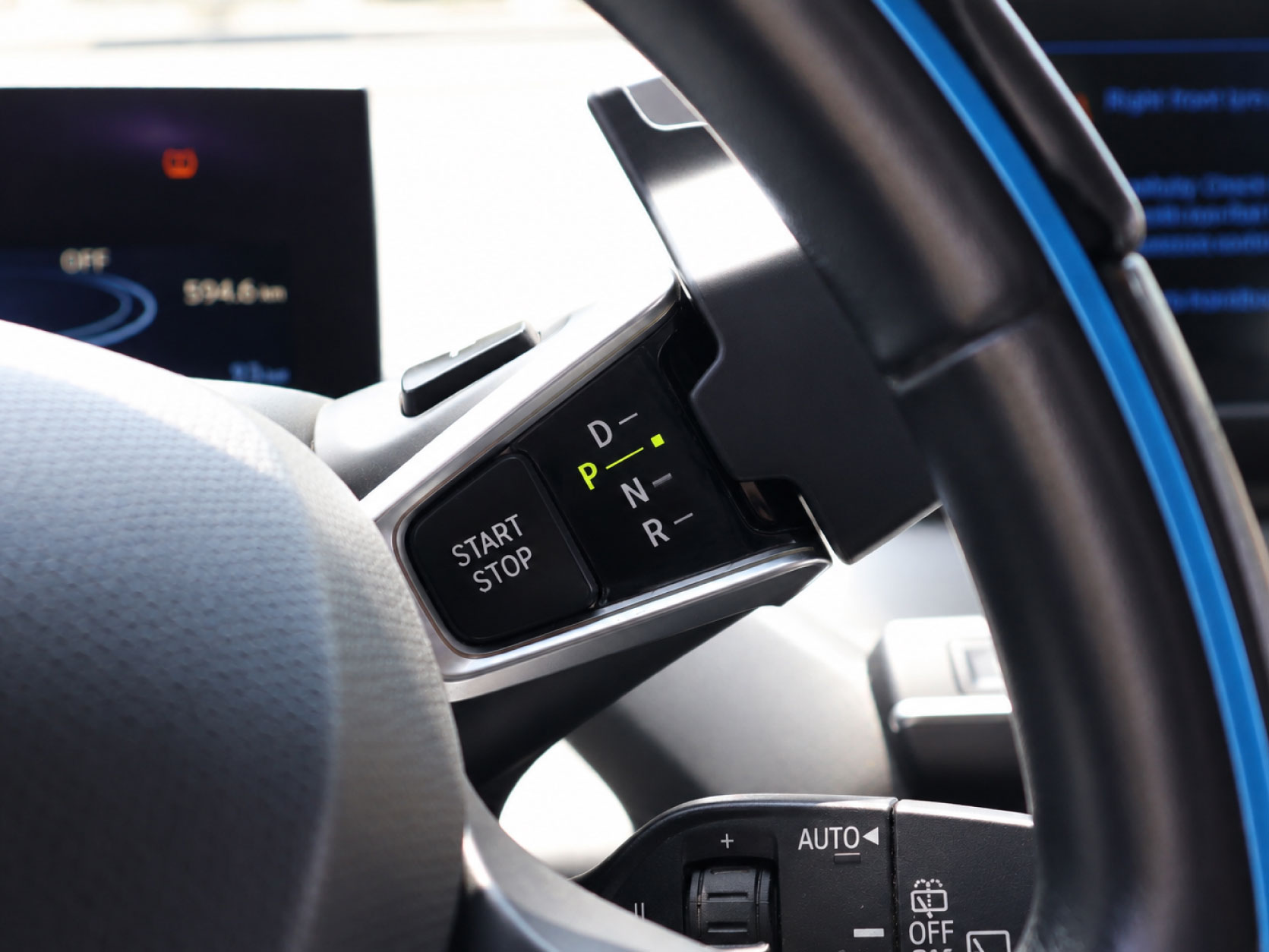
Starting the Vehicle
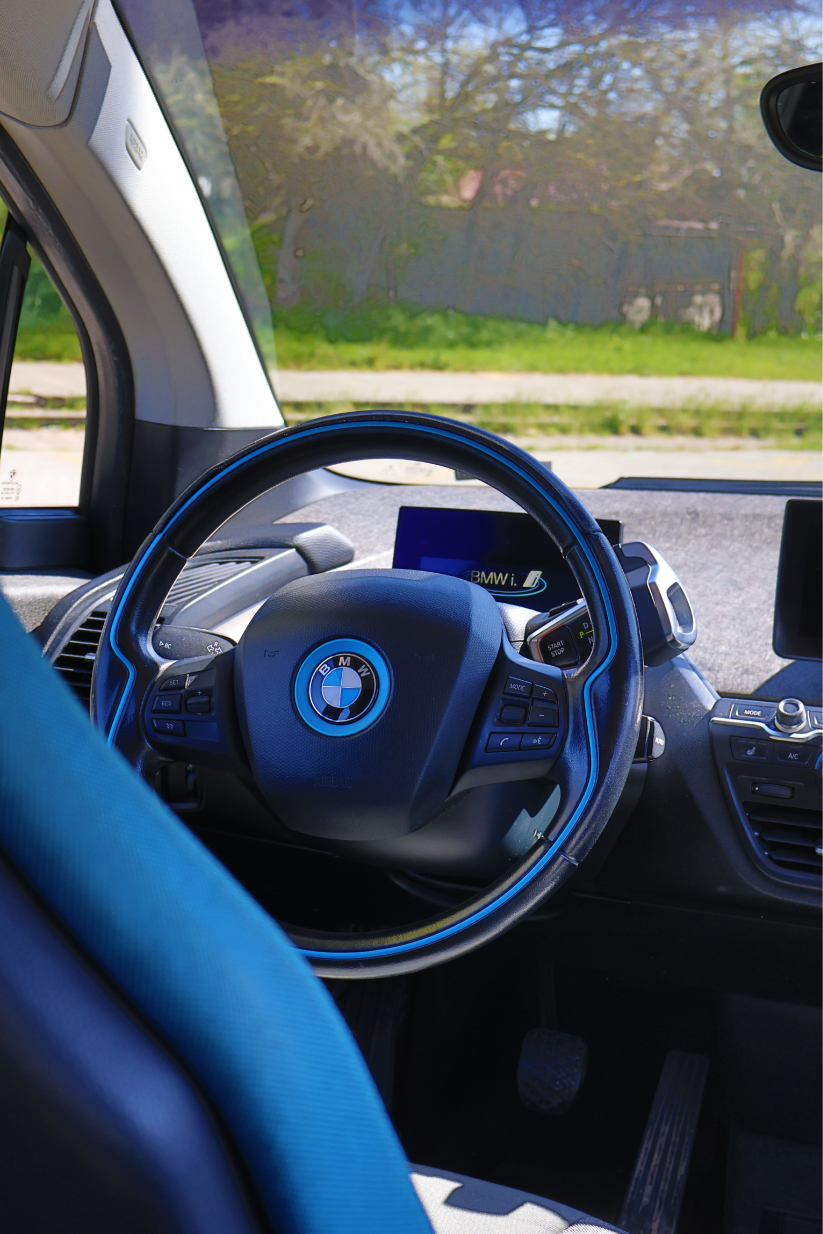
To start the vehicle, press and hold the brake pedal, then press the START/STOP button. Wait until the READY indicator appears, confirming that the vehicle is ready to drive.
Then, while keeping the brake pedal pressed, select D (Drive) and release the brake to start driving.
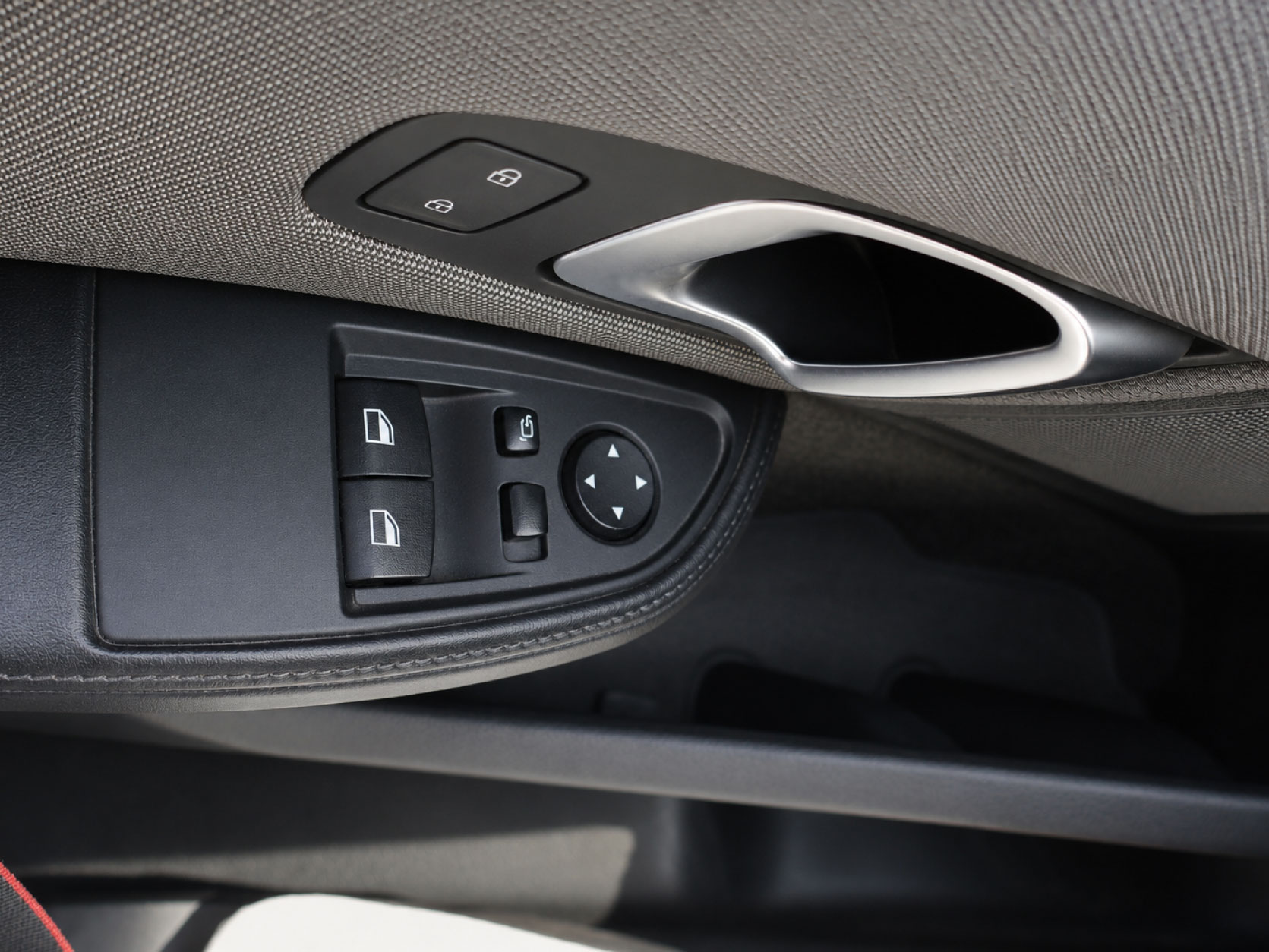
Adjusting the Steering Wheel and Mirrors
You can adjust the steering wheel for height and reach using the lever located underneath the steering column.
The mirrors can be adjusted using the controls on the driver’s door. Select the mirror you wish to adjust and move it to the desired position.
Changing Gears
The BMW i3 is equipped with an automatic transmission. To change gear, press the brake pedal and move the gear selector to the desired position:
P (Park): Used when parking and when starting or stopping the vehicle.
R (Reverse): Used for driving backwards.
N (Neutral): The vehicle is in neutral and is not being driven by the motor.
D (Drive): Used for driving forwards.
The BMW i3 features a regenerative braking system, which automatically slows the vehicle when you release the accelerator pedal. During deceleration, kinetic energy is recovered and returned to the battery.
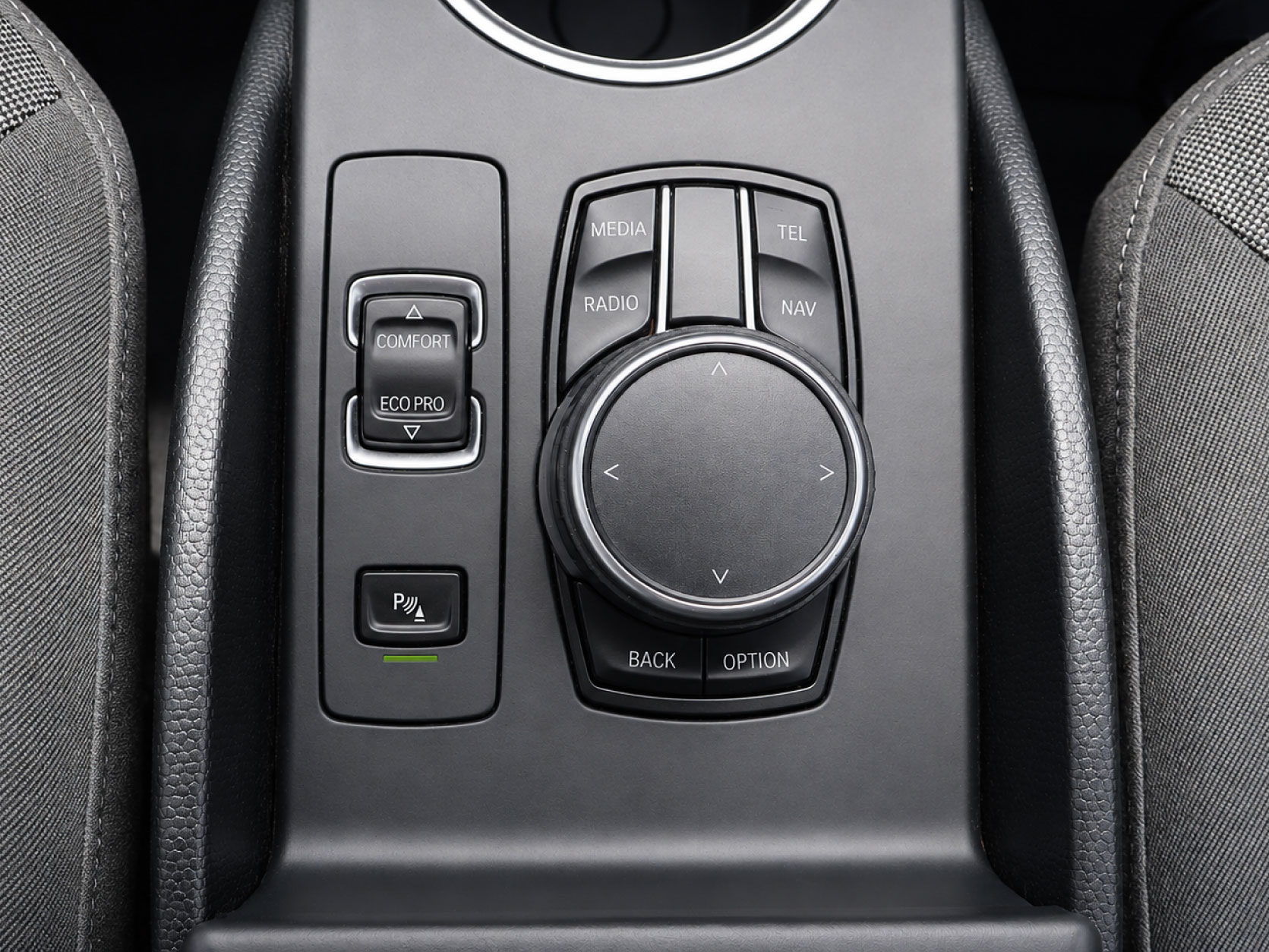
Driving Modes
The BMW i3 offers several driving modes that can be selected using the vehicle’s controls.
COMFORT: The standard mode for everyday driving, offering balanced performance and energy consumption.
ECO PRO: Helps reduce energy consumption and increase the vehicle’s range.
ECO PRO+: Optimised for maximum range. In this mode, some vehicle functions are limited to reduce energy consumption.
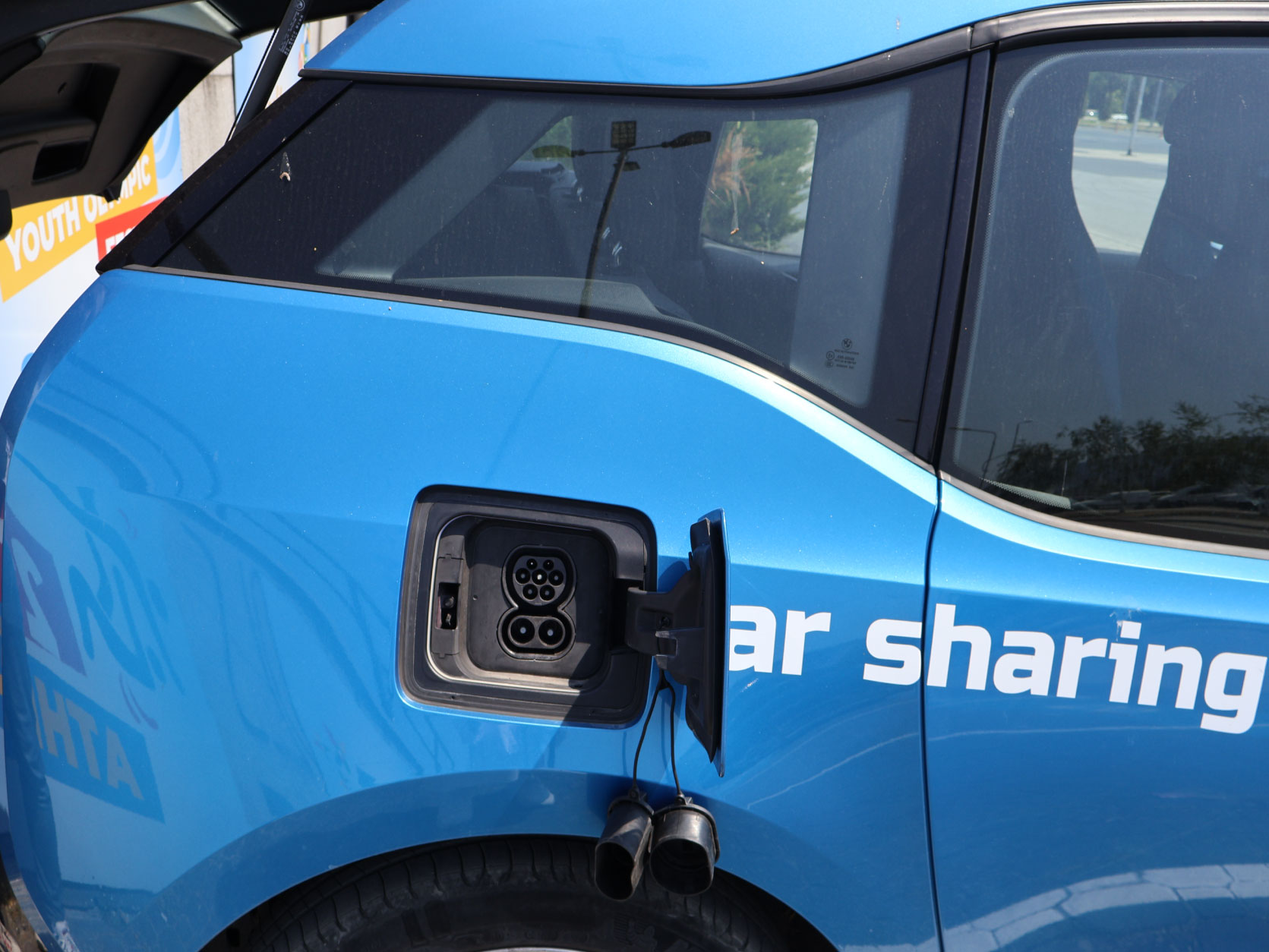
Charging the Vehicle
To charge the vehicle, remove the appropriate charging cable from the boot.
Open the charging-port flap and connect one end of the cable to the vehicle and the other end to the charging station.
Once charging begins, the indicator next to the charging port will show that the vehicle is charging.
To stop charging, first end the charging session at the charging station. Then disconnect the cable from the vehicle and the station.
Once charging is complete, return the cable to the boot and close the charging-port flap.
Ending the Trip
When you have finished driving, move the gear selector to P (Park) and apply the parking brake if necessary.
If you do not wish to end the rental immediately, take the vehicle key with you and lock the vehicle using the button on the key.
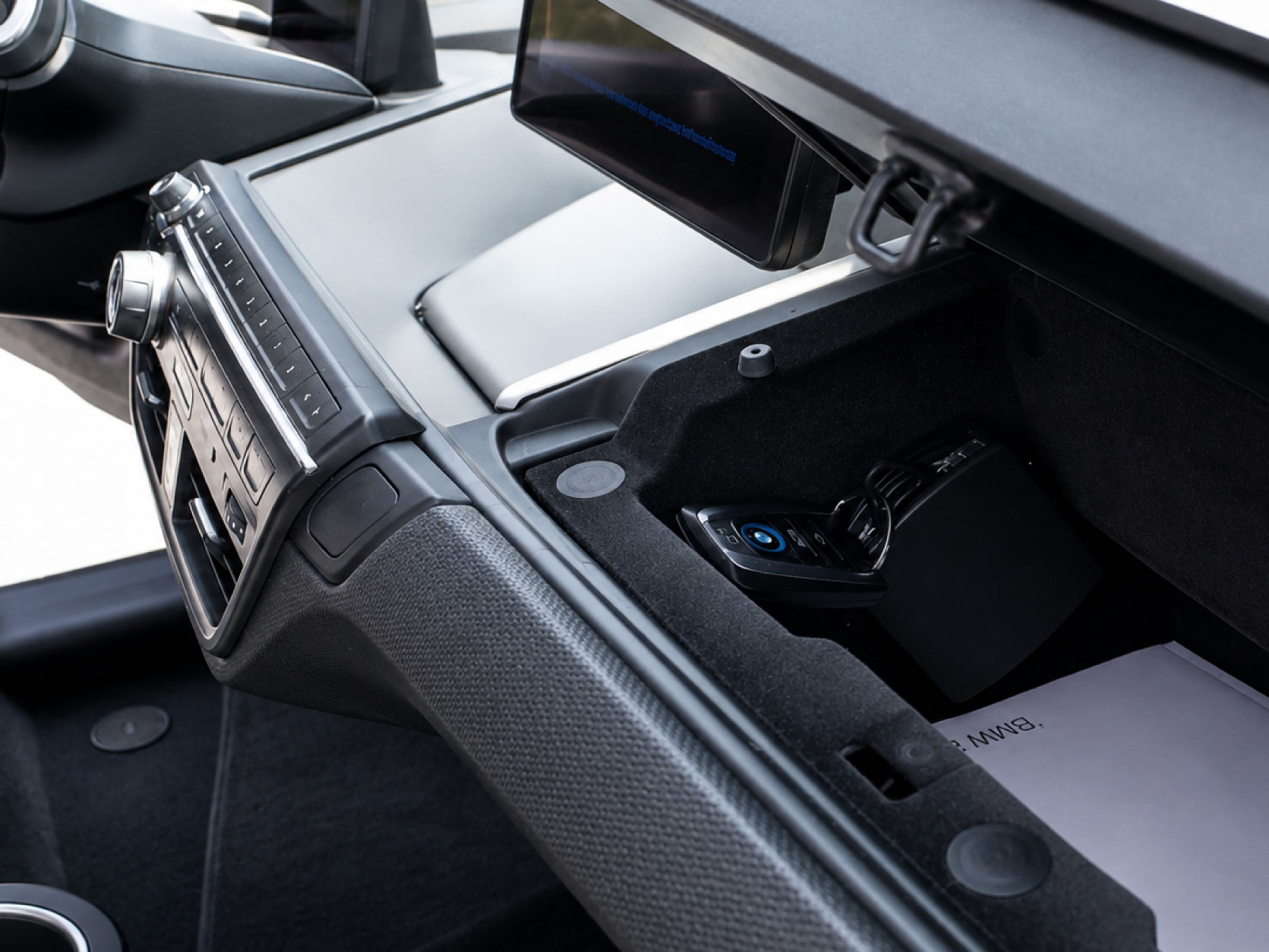
If you wish to end the rental, return the key to its designated place by inserting the transponder/chip into the box located inside the glove compartment on the passenger side.
Then lock the vehicle through the Avant2Go app and follow the displayed steps to complete the rental.